
Student
0 Students
Category
N/A
Reviews
The Hidden Risks of auto power care Everyone Should Understand
Your car is far less brittle than the headlines imply, the repair network is expanding, autopowercare.com and the technology is robust. Clean energy is only one aspect of the future of electric vehicles; another is more intelligent and easily accessible maintenance. Thus, keep this straightforward fact in mind the next time you hear a rumor regarding EV battery prices. Repair is often the best and most economical option, even though a full replacement is sometimes unavoidable. And thinking about that is really comforting.
Given that the battery pack accounts for a sizeable amount of the car's total value, one question always comes to the top of people's minds when they think about this change: how long will the battery actually last? Transitioning to an electric car is a thrilling step in the direction of a more efficient and clean future. Let's examine the amazing lifespan of these energy storage devices and find out why you can drive with complete assurance.
The batteries used in modern electric cars are engineering wonders that are built to last, frequently outlasting the cars they power. Thankfully, the truth is far more comforting than many early doubters might imply. Costly repairs can be avoided with routine maintenance, such as keeping the battery within a healthy temperature range and preventing deep discharges. Without affecting a single cell, performance can be restored with a straightforward calibration, software update, or system reset.
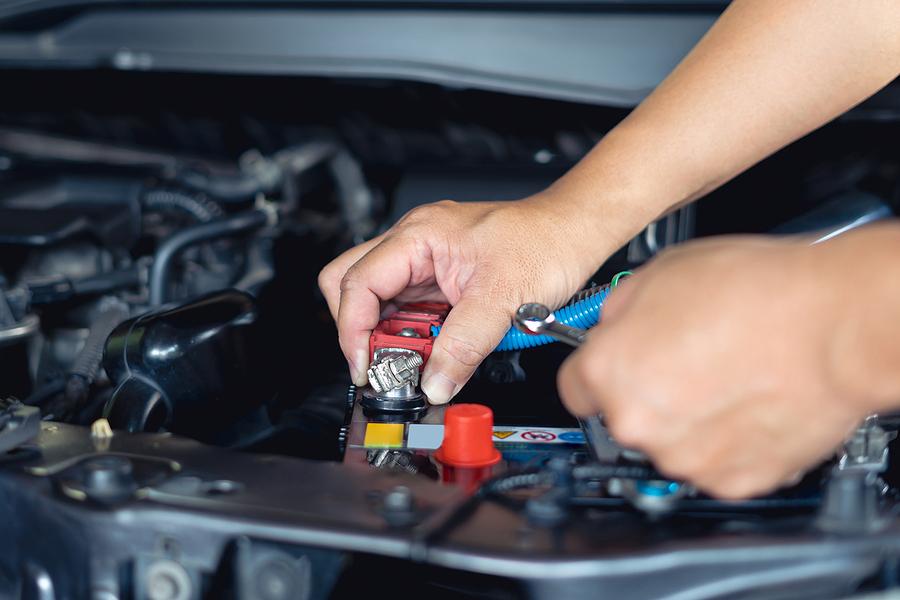 Of course, opening the pack isn't necessary for every glitch. The software that manages charging and health, the Battery Management System, can occasionally be the problem. Materials like nickel, cobalt, and lithium that are used to make new batteries can be recycled from it. When does a battery need to be replaced? Even so, there is no waste of the old battery. Repair may no longer be safe or economical if the battery has physical damage from a crash or fire, or if it is significantly deteriorated, such as after many years or high mileage.
According to lifecycle assessments, the environmental impact of EV batteries is decreasing as they are recycled more frequently. Of course, not every glitch requires opening the pack. Naturally, your behavior can affect that timeline, but modern batteries are far more difficult to damage than early EVs suggested. The golden rule is straightforward: stay out of extreme charge states for extended periods of time. The decline is glacially slow, almost imperceptible, and it flattens out over time.
